


How to Schedule Brick Repointing in Brooklyn to Avoid Weather Delays
- Posted On: October 14, 2025
- Posted By:
Warning: Undefined variable $author_id in /home/u538573562/domains/brickrepointingnyc.com/public_html/wp-content/themes/twentytwentyone-child/single.php on line 52
brnyc
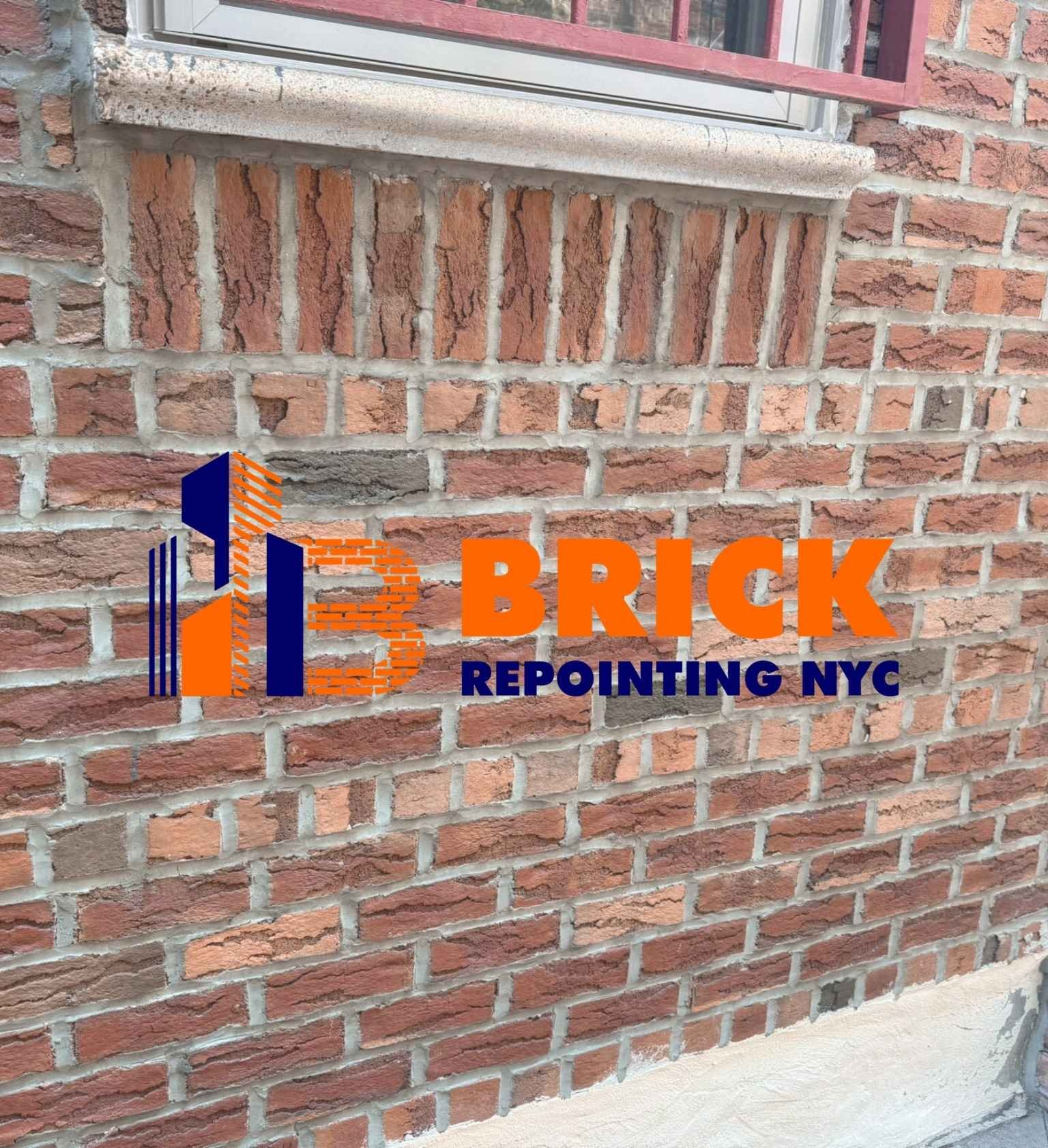
Prior to delving into the best time for repointing, it’s critical to comprehend the steps involved. Brick Repointing is the practice of revitalizing the outside of mortar joints that connect stone or brick structures. A less pleasing facade and structural problems may result from the mortar’s gradual deterioration due to weathering, dampness, and other external variables. In order to repoint brickwork, the old, damaged mortar must be removed and replaced with new mortar. This improves the external aesthetics of your house while also strengthening the wall’s structural integrity. A long-lasting and appealing finish is mostly dependent on the mason’s skill and the mortar mix selection.
What Takes Place If You Don’t Get Brick Repointing Right Away?
Beyond just surface damage, postponing repointing can cause much more. Moisture begins to seep deeper into the wall structure as brick cracks open and crumbled mortar flakes off. This frequently leads to concealed water penetration, weakened insulation, and expensive structural issues in rowhomes and older stone buildings.
One of the first and most obvious warning indicators is loose bricks. The structural integrity of the wall is weakened when bricks move under their own weight due to deteriorating mortar. This displacement can cause bulging or misalignment in stone walls, particularly in cases where old masonry was constructed using flexible materials like lime mortar and then replaced with incompatible cement.
Often, quick fixes make the situation worse. Professional masonry contractors in NYC are aware of the subtle distinctions between profound structural failure and surface degradation. Quick action can salvage original materials, safeguard surrounding elements, and maintain the complete integrity of your brick or stone wall when failure indicators start to show.
How frequently should brick be repointed in NYC?
Repointing brick is advised for most properties every 20 to 30 years. Because of weather, aging, and incompatible repairs, repointing is frequently required in this city every 15 to 20 years. Assessing the state of mortar joints and taking action before mortar deterioration causes structural issues becomes increasingly important for older brick buildings.
Old brick or stone homes are especially susceptible to moisture incursion, freeze-thaw expansion, and unsuccessful repairs made with the incorrect mortar, especially in areas with a high concentration of historic structures. Lime mortar, which permits flexibility and breathability, was used in the construction of many historic buildings. Repointing your brick home on time is a cosmetic concern and a crucial upkeep procedure that preserves its longevity and appearance.
The Best Seasons to Repoint Brickwork
Spring- The ideal season for repointing brickwork is frequently thought to be spring. The mortar can cure properly in milder climates with lower humidity levels. There is little chance of unforeseen temperature swings because the weather is usually predictable.
Fall- Repointing is also a good idea in the fall. Masons can operate in a more comfortable setting because of the cooler weather. The project must be finished before winter arrives, though, as freezing temperatures can interfere with the drying process.
Early Summer- In areas with mild summers, repointing can also be done in the early summer. It offers a middle ground between the best spring and fall times. But it’s crucial to keep an eye on the weather forecast in case there are any severe heat waves.
Note: Brick pointing can be completed successfully in any season with the help of skilled professionals and safety precautions. The finest outcomes ultimately arise from carefully planning the timing of your project and seeking expert advice.
Contact Us
Today


I recently had an AC unit installed by GB heating and cooling , The team was prompt, arriving exactly on time, and took the time to explain the installation process in detail.
The technicians were not only highly skilled but also respectful of my home, ensuring everything was clean and tidy once the installation was complete. They worked efficiently, and the installation was completed quicker than I expected, without any compromise on quality.
What really impressed me was their attention to detail. They made sure the unit was installed perfectly, optimizing its performance and ensuring that it was placed in the best location for maximum efficiency. They even walked me through how to operate the system, answering all my questions patiently.
Since the installation, the AC has been working flawlessly, keeping my home cool and comfortable. The difference in air quality and temperature control is remarkable. I also appreciate that the team followed up a few days later to check in and ensure everything was working as it should.
Overall, I highly recommend GB heating and cooling for anyone in need of AC installation. Their combination of expertise, professionalism, and customer service is truly top-notch. I couldn’t be happier with the outcome!


Our Services Areas
Our Service Areas We proudly serve homeowners, contractors, and property managers across multiple cities and regions. Whether you're looking for expert brick repointing, chimney repairs, or historical masonry restoration, our team is equipped to deliver high-quality, dependable service—right where you need it. Check below for our current service areas. We're always expanding!